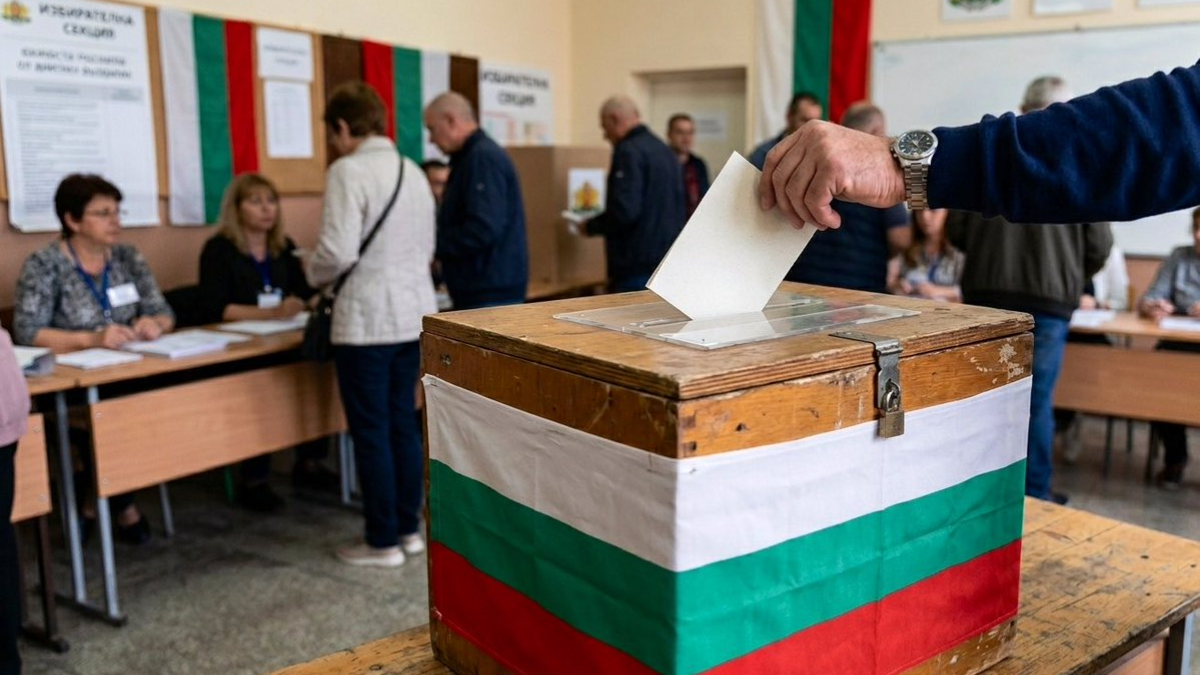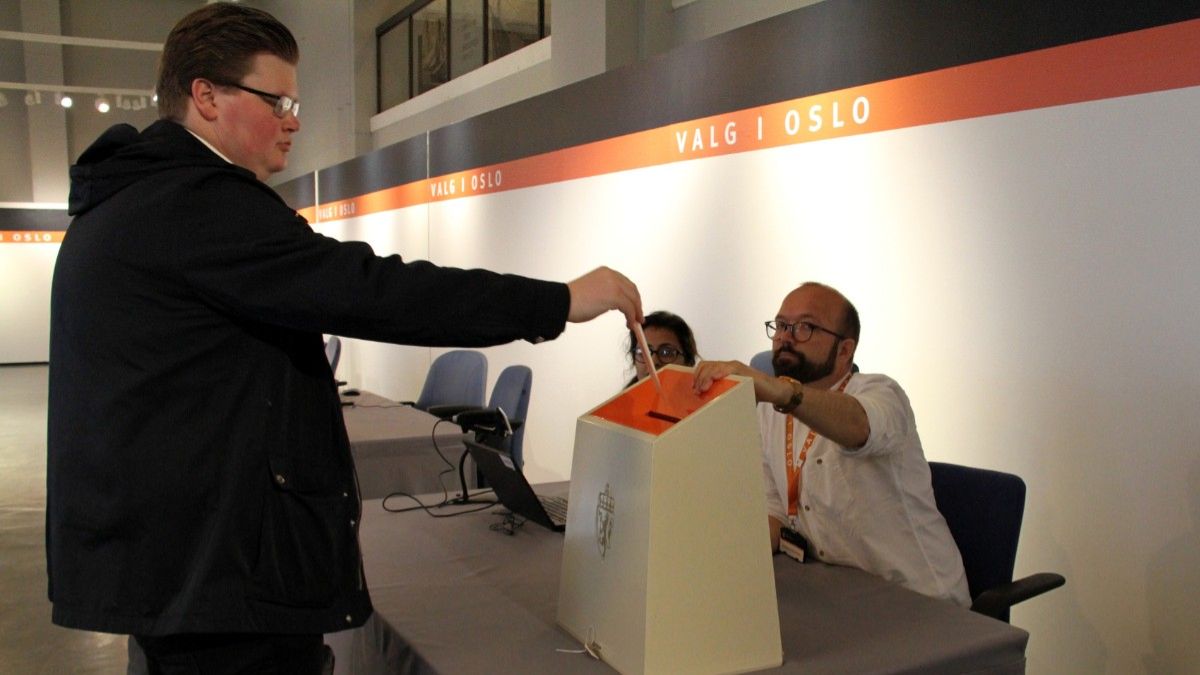
Norway goes to the polls for a closely contested election as the Progressive Party, which opposes uncontrolled illegal immigration, gains ground
Norway is heading into a closely contested general election on Monday, with uncertainty marked by the decline of the Labour Party, led by Prime Minister Jonas Gahr Store, against the conservative bloc, which is growing stronger in the polls.
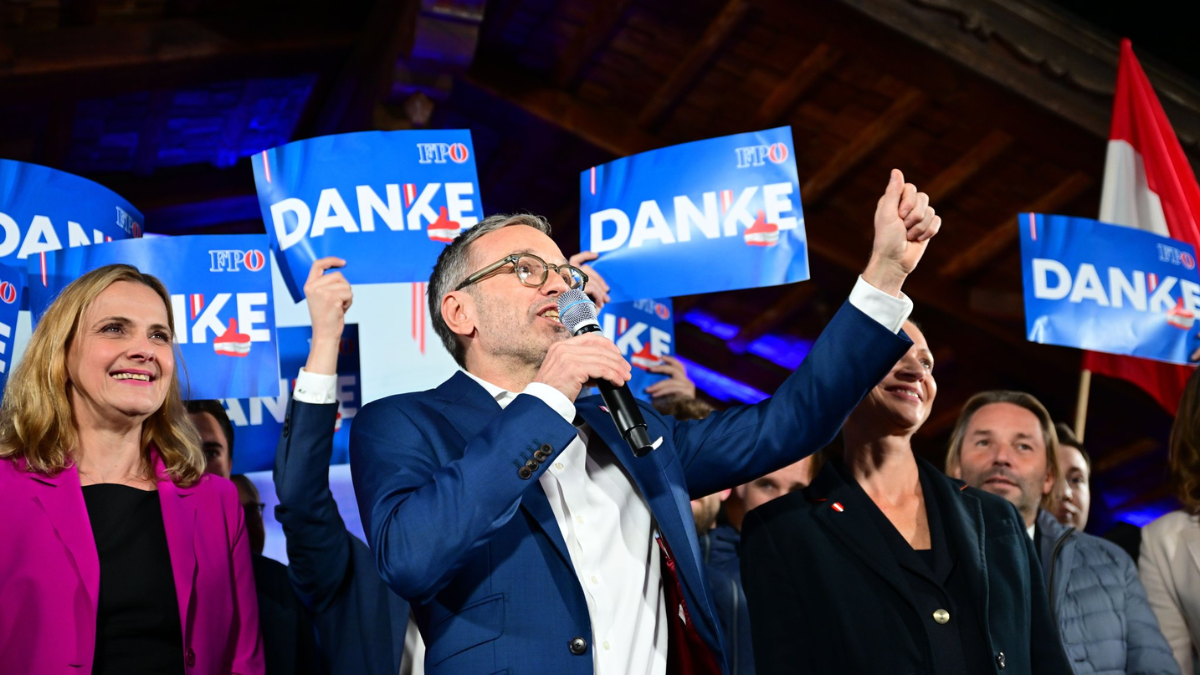
The latest polls give Labour 28.5% of the vote and 51% to the left as a whole, while the opposition bloc has 43.8%, led by Sylvi Listhaug’s Progressive Party. This party has called for tougher immigration policies during the campaign and has pointed to immigrants from Africa and the Middle East as part of the cause of the socio-economic problems facing the country.
The left-wing bloc could win 88 seats, just three above the majority in the Storting (Norwegian Parliament, with 169 seats). However, no party would achieve an absolute majority on its own, so the most likely scenario is a coalition government or the continuation of Labour with external support.
On the other side, in addition to the Progressive Party, conservatives, liberals and Christian Democrats have joined forces, seeking to capitalise on social discontent and present themselves as an alternative.
The key issues for Norwegian voters have been employment, inequality, taxation, management of the sovereign wealth fund — the largest in the world — and energy policy. The international situation, marked by the war in Ukraine and Donald Trump’s return to power in the United States, has also influenced the debate.
The Prime Minister has called for confidence to extend his term in office, after returning to power in 2021 following eight years of Conservative governments. Together with Jens Stoltenberg, who has returned to national politics as Minister of Finance, Store has insisted that this is a ‘historic’ election. ‘A right-wing government would lead us to a Norway completely different from today,’ he warned.
The Electoral Directorate has confirmed a record 1.71 million early ballots, up from 1.64 million in 2021. The trend towards early voting, reinforced during the pandemic, continues to rise and anticipates high turnout in an election where the balance between left and right is expected to be tighter than ever.