The Netherlands votes Wednesday amid anger over immigration and a failing political system
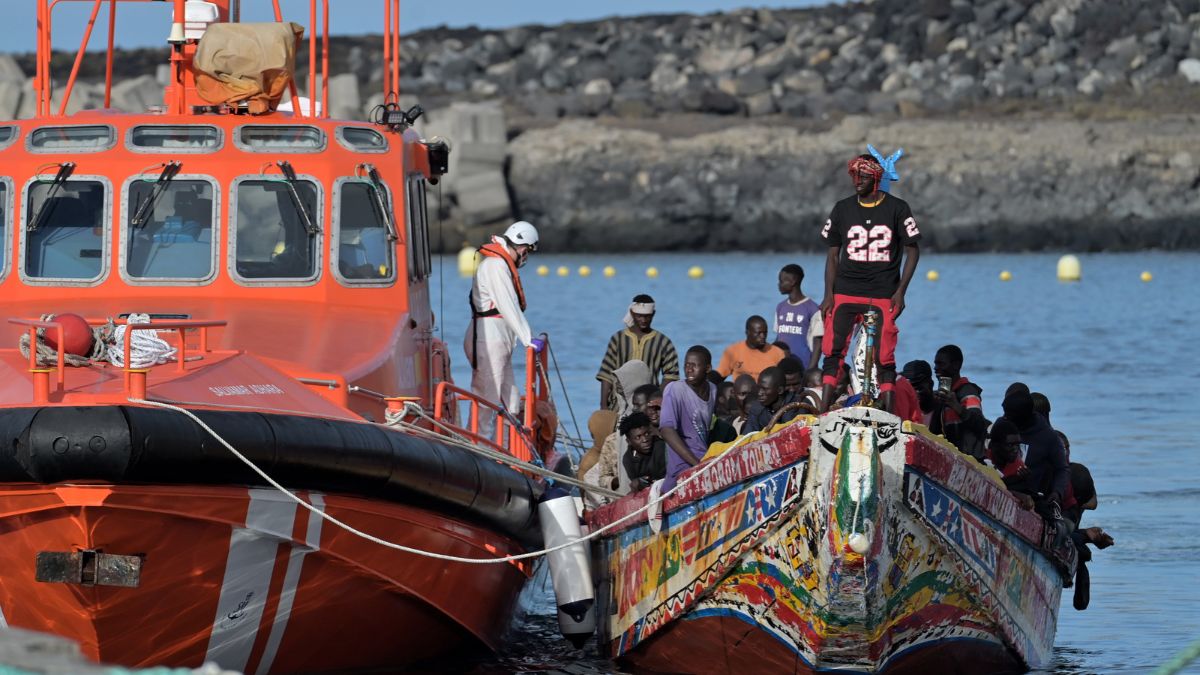
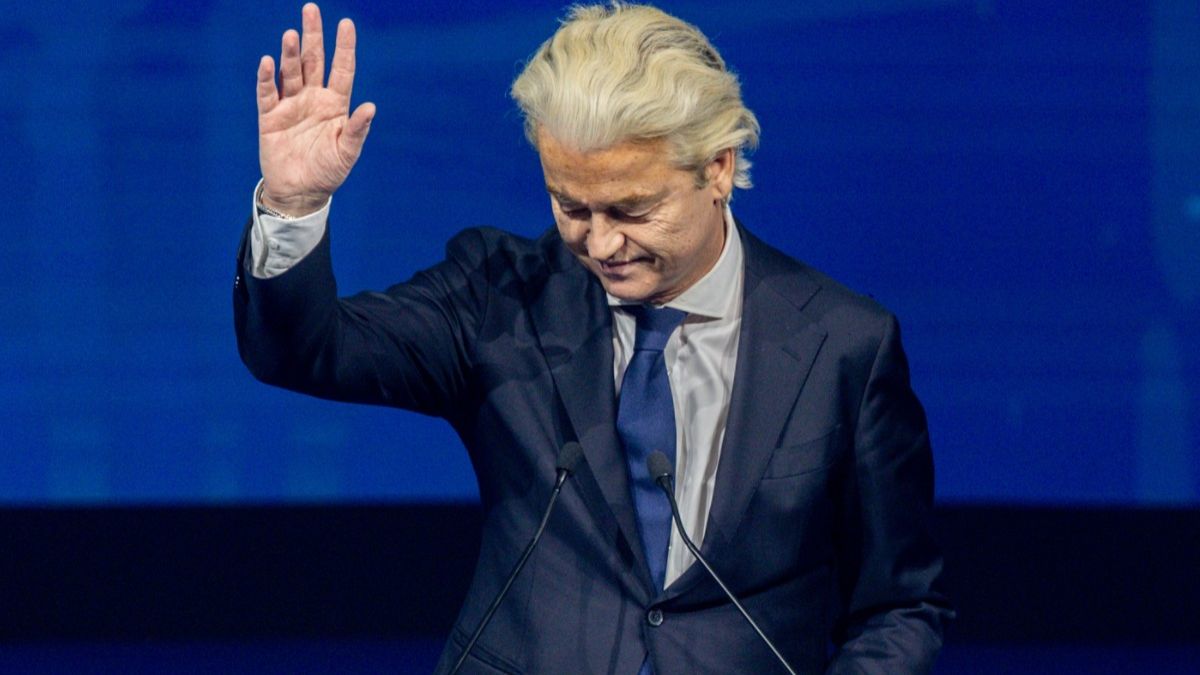
The Netherlands votes this Wednesday in decisive elections that could confirm the rise of nationalism and consolidate Party for Freedom (PVV) leader Geert Wilders as the voice of public discontent toward globalist elites blamed for the country’s migration, economic, and social crises.
The vote comes after the fall of Dick Schoof’s government, a symbol of the exhaustion of a political class accused of ignoring citizens’ frustration over immigration and the decline of public services. In this context, the PVV enters the race as the clear favorite in all polls and remains the country’s leading political force.
Wilders, who broke off his previous governing alliance after his partners refused to take stronger border control measures, faces the elections with support from more than 16% of voters and could win around 26 seats. Although polls show a slight drop from his previous results, the PVV remains the most solid party in a fragmented political landscape.
The veteran nationalist leader insists his goal is to form a stable government that returns power to the Dutch people. However, the traditional parties—on both the left and the liberal VVD—have once again united to prevent Wilders from becoming prime minister, as they did after the previous election.
Opposing the PVV is the Labour-Green alliance (GL/PvdA), led by former EU official Frans Timmermans, polling at around 15%. Behind them are the progressive D66, the Christian Democrats (CDA), and the liberals of VVD—all in decline. The proliferation of parties, fostered by an electoral system that encourages coalition-building among elites, threatens to reproduce the political paralysis of recent years.
Despite political and media resistance, Wilders has managed to connect with wide sectors of the population, especially younger voters, through his strong defense of national identity, security, and housing access. While other parties avoid the topic of immigration, the PVV leader has made it the centerpiece of the campaign, openly criticizing the effects of multicultural policies and the perceived loss of border control.
During the campaign, Wilders even faced terrorist threats that forced him to suspend rallies temporarily, yet he maintained a strong presence online and in major debates.
All signs suggest the PVV will once again win the election, confirming Europe’s nationalist trend and the growing desire among Dutch voters to end decades of leniency toward mass immigration and Brussels’ bureaucracy. The challenge now is whether the other parties will accept the popular will or again block Geert Wilders from leading the government.