Waste in Brussels: the European Commission allocates seven million euros to Ukraine’s cultural projects
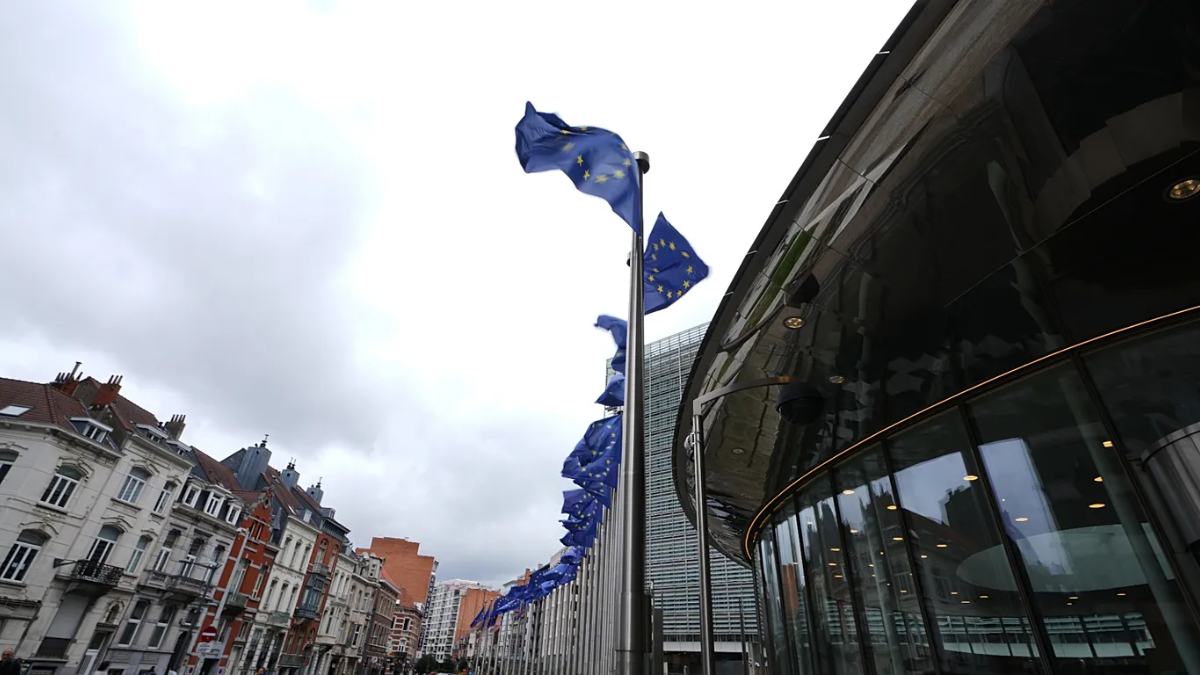
The European Commission announced this Monday the allocation of seven million euros in financial aid to Ukraine’s cultural sector, reinforcing its commitment to support the civilian population amid the ongoing conflict with Russia. This funding represents a significant investment in preserving and promoting the country’s cultural life during a period of profound instability. The funds are intended to benefit a wide range of recipients, including cultural organizations, individual artists, and cultural professionals, ensuring that creative activity continues despite the challenges posed by the war.
According to Brussels, the primary goal of this financial support is to safeguard Ukraine’s rich cultural heritage while simultaneously keeping artistic and cultural activities alive both within the country and abroad. The European Commission highlights that culture is not merely an artistic endeavor; it is a critical component of social resilience, cohesion, and national identity, particularly in times of crisis. By investing in culture, the EU aims to contribute to the long-term recovery and morale of Ukrainian society, while also raising international awareness of the importance of protecting cultural expression under extraordinary circumstances.
The projects selected under this call of the Creative Europe program include ZMINA Resilience, Culture Helps, Culture Horizons, and UAXEU, the latter being a significant initiative promoting cultural exchange between Ukraine and the European Union. These projects focus on various aspects of cultural preservation, creative collaboration, and community engagement, reflecting a multifaceted approach to sustaining Ukraine’s artistic ecosystem during the war.
Glenn Micallef, European Commissioner for Intergenerational Equity, Youth, Culture, and Sport, underlined that “culture plays a fundamental role in preserving national unity and fostering resilience, especially in times of war.” The European Commission believes that these initiatives will help maintain the vitality and creativity of Ukraine’s cultural sector. At the same time, Brussels continues to maintain other cooperation channels with Kyiv in education, science, and media, as part of a broader strategy to support Ukrainian civil society and strengthen its societal fabric.