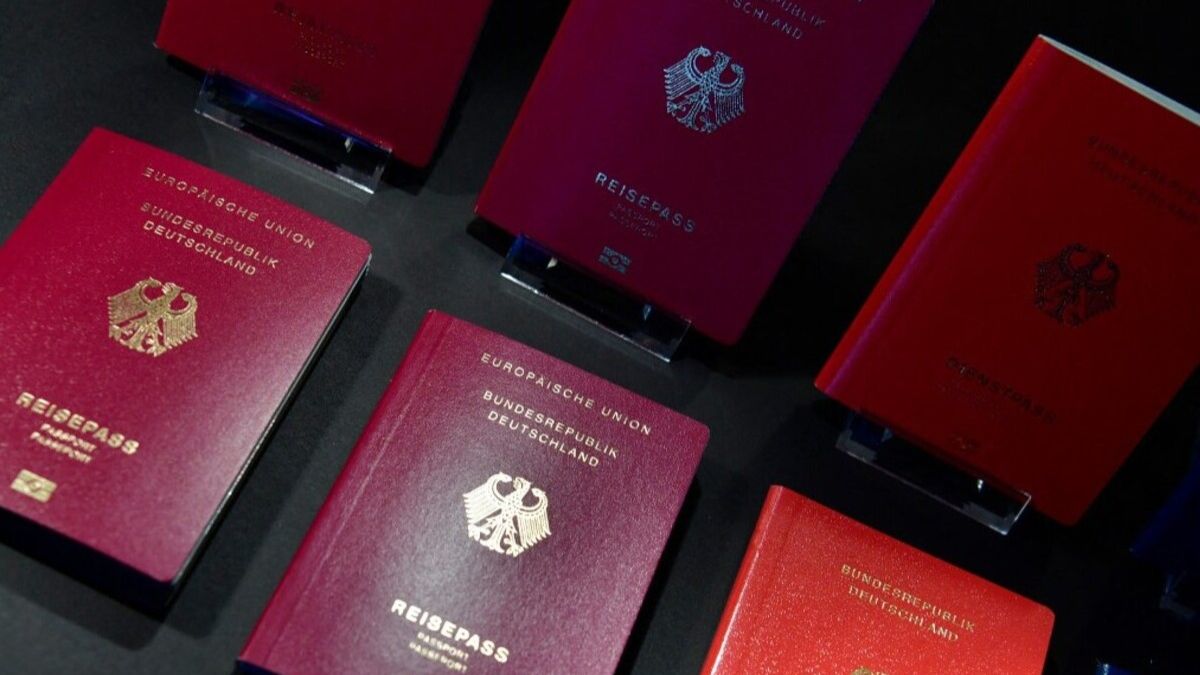
Widespread fraud uncovered among asylum seekers seeking German citizenship despite not knowing the language
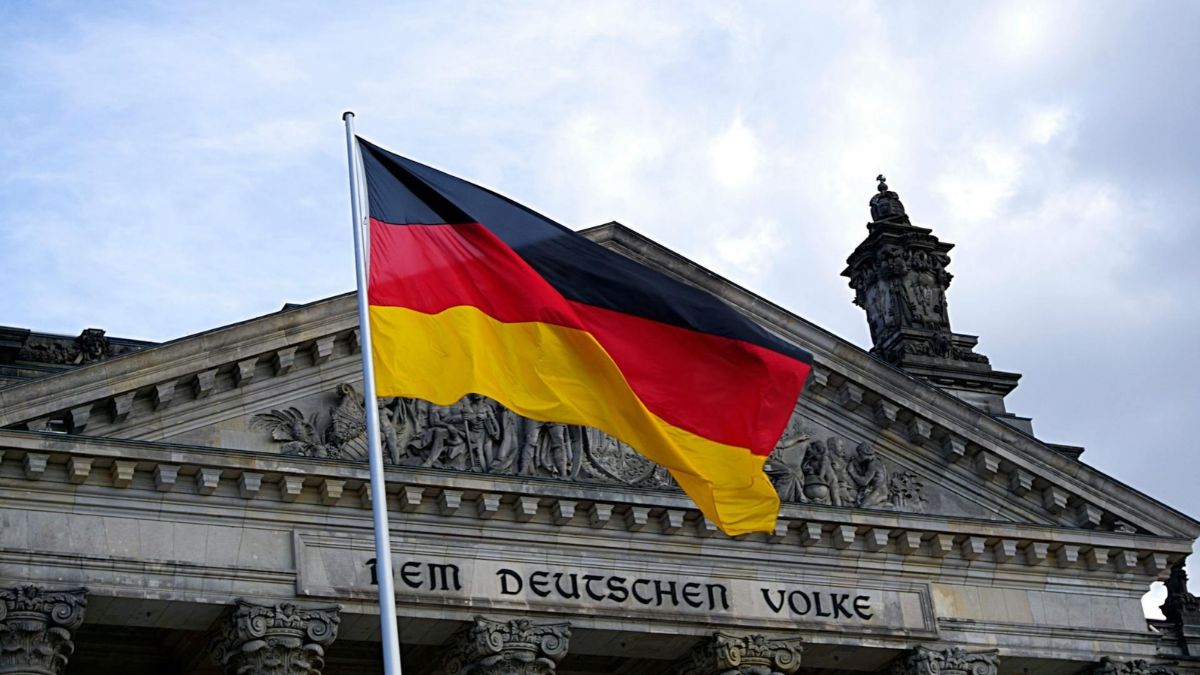
A significant number of applicants obtained the coveted German citizenship through fraud, according to reports by RTL and Stern. In just one week, some 340 forged language certificates, documents that should prove proficiency in German, were detected at an immigration office in the south of the country. In fact, the police are already investigating more than a thousand suspicious cases.
The discovery has sparked heated political debate in Berlin. The CDU is calling for previous naturalisations to be reviewed, arguing that those who obtained German passports through deception should not be allowed to keep them. Alexander Throm, spokesperson for domestic policy for the Christian Democrats, stressed that ‘if there is suspicion that falsified certificates have been used, the files must be re-evaluated’.
The Federal Ministry of the Interior, for its part, has backed the idea of tightening controls and pointed out that personal interviews are an essential mechanism for detecting those who do not have a command of the language. But in practice, in cities such as Berlin, many naturalisations are formalised digitally, with a simple click, without going through this verification phase. This fast track is in response to an order from Mayor Kai Wegner (CDU), who set a target of processing 40,000 applications by 2024 by reducing bureaucratic procedures.
Other parties have taken divergent positions. Wolfgang Kubicki, of the liberal FDP, has described the situation as a ‘real scandal’ and has demanded total transparency from the federal government about what happened: he wants to know whether the executive was aware of the magnitude of the problem and what measures it plans to take to curb this abuse. The Greens, on the other hand, reject a retroactive review of cases that have already been closed. Their MP Filiz Polat argues that a ‘general presumption of guilt’ cannot be applied to all new citizens.
The background to the scandal also points to a lucrative black market: fake German certificates are offered on the internet for prices ranging from €750 to €2,700, with the possibility of discounts if several members of the same family purchase them.
All this is happening in a context marked by a historic increase in naturalisations: in 2024 alone, almost 300,000 foreigners obtained German passports, an unprecedented figure that is now overshadowed by suspicions of mass fraud.