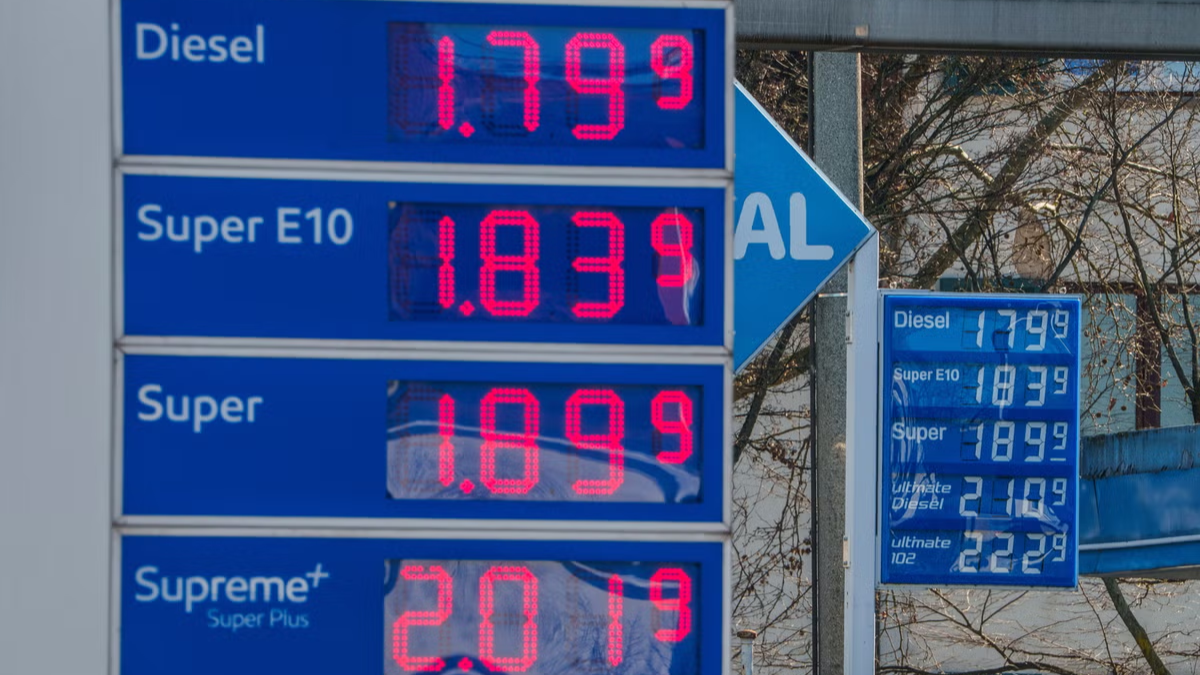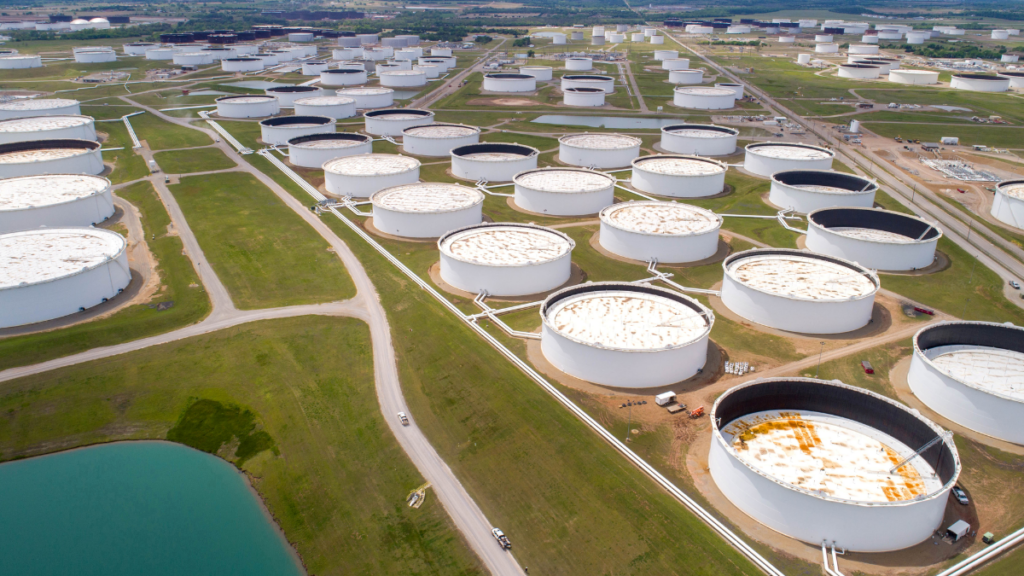
The European Union is increasingly relying on its strategic oil reserves as global supply disruptions linked to the Middle East conflict continue to strain energy markets and push prices higher.
According to analysts, the 400 million barrels released by the International Energy Agency (IEA) — including roughly 92 million contributed by EU member states — could sustain current demand for several months, though concerns remain over longer-term supply stability.
The situation has prompted heightened alert across the bloc, with Energy Commissioner Dan Jørgensen warning that the issue is no longer limited to rising prices but could evolve into a supply crisis, particularly affecting fuels such as diesel and jet fuel.
Limited buffers amid rising demand
The EU consumes approximately 10.5 million barrels of oil per day, accounting for around 10% of global demand. Major consumers include Germany, France and Italy, which together represent a significant share of total usage.
Emergency reserves held by member states are estimated to cover around 90 days of net imports, or roughly two months of consumption. These reserves, made up of crude oil and refined products, are managed nationally but coordinated at EU level during crises.
Countries such as France, Germany and Italy hold the largest stockpiles, while others rely partly on shared storage arrangements across the bloc.
Energy analysts estimate that the oil released under the coordinated IEA plan is being used at a rate that could allow supplies to last for around five months, depending on consumption levels and market conditions.
Growing concerns over long-term shortages
In addition to strategic reserves, the EU currently holds around 270 million barrels in storage, equivalent to several weeks of consumption once refined into usable fuels.
These reserves, combined with inventory drawdowns, are helping to offset part of the supply gap. However, experts warn that such measures provide only temporary relief.
Forecasts suggest that if disruptions persist, the global market could face a widening shortfall in oil supply, increasing pressure on European economies already dealing with high energy costs.
The ongoing crisis has also revived discussions about untapped oil resources within Europe, with industry representatives arguing that domestic production could serve as an additional buffer alongside efforts to reduce energy consumption and accelerate electrification.
As geopolitical uncertainty continues, EU officials face the challenge of balancing short-term energy security with long-term transition goals, while managing the risks posed by an increasingly volatile global oil market.