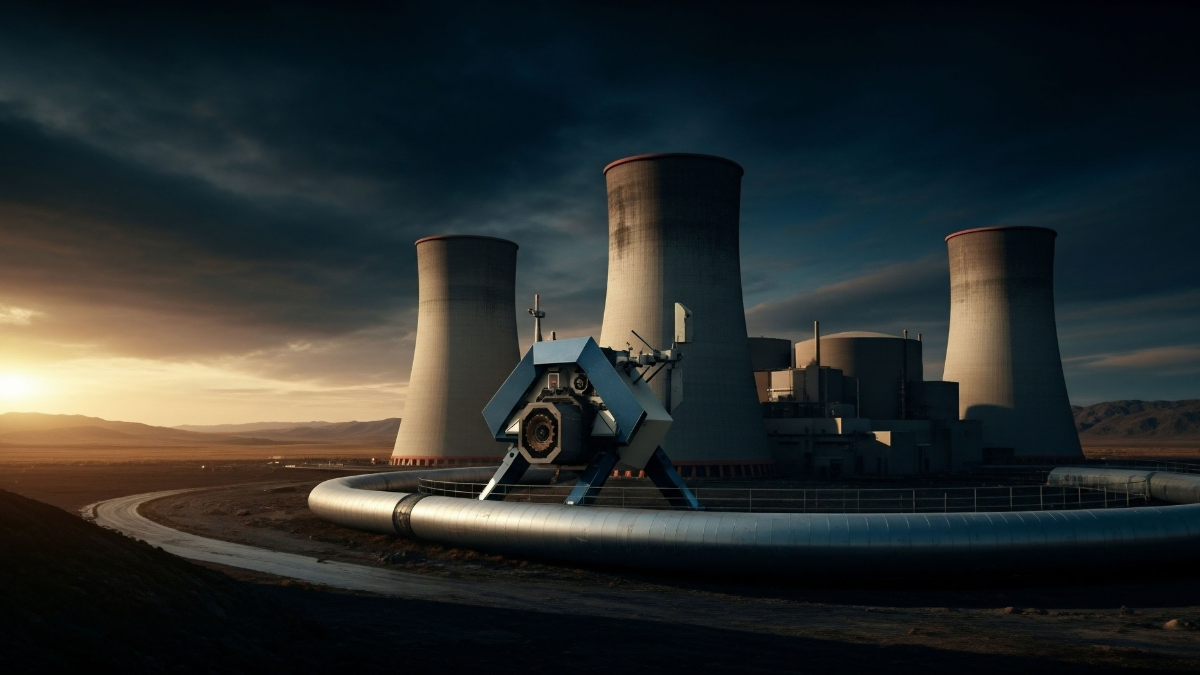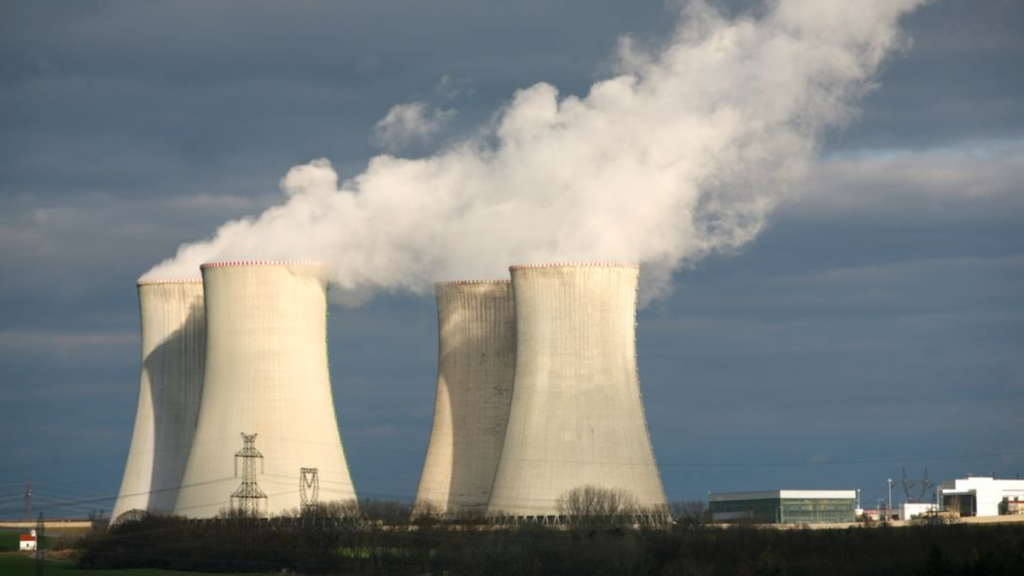
Ireland’s lower house of parliament, the Dáil Éireann, is set to debate landmark legislation that could dismantle the country’s longstanding prohibition on nuclear power generation — a ban that has been in place for nearly three decades and which critics argue has left Irish households and businesses exposed to some of the highest electricity prices in Europe.
The bill, formally titled the Electricity Regulation (Removal of Nuclear Fission Prohibitions) Bill 2026, was introduced by Fianna Fáil lawmaker James O’Connor. If passed, it would repeal the nuclear ban enshrined in the 1999 Electricity Regulation Act, as well as subsequent planning legislation that has blocked any domestic nuclear development since.
The proposal arrives at a politically charged moment. Taoiseach Micheál Martin publicly called at a European summit in Yerevan for Ireland to “seriously examine” nuclear energy as part of a broader drive to reduce fossil fuel dependency — while maintaining that renewables would remain the backbone of the national energy mix.
His remarks drew attention to small modular reactors (SMRs) as a technology worthy of consideration.
A Contradiction at the Heart of Irish Energy Policy
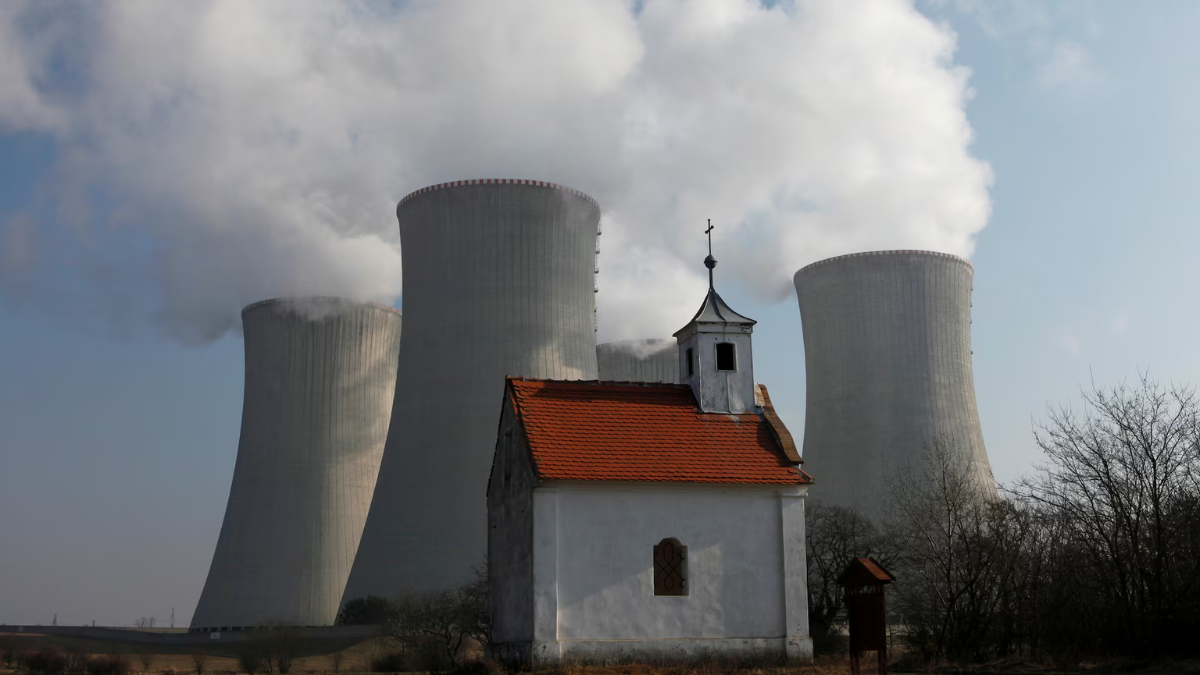
Central to the debate is an inconvenient paradox: Ireland already consumes nuclear-generated electricity, imported via interconnectors with the United Kingdom. That contradiction is set to deepen with the construction of the Celtic Interconnector, a 700-megawatt undersea cable linking Ireland to France — a country that derives roughly 70 percent of its electricity from nuclear power.
For advocates of lifting the ban, the logic is straightforward: it is difficult to justify prohibiting domestic nuclear generation while simultaneously purchasing nuclear electricity from neighbours.
O’Connor has framed the debate as a “once-in-a-generation” opportunity to address the structural energy costs that have long weighed on Irish competitiveness and household budgets.
Government Cautious, Greens Opposed
Despite the Taoiseach’s remarks, the government has stopped short of endorsing outright repeal. Several ministers have highlighted the substantial upfront capital costs of nuclear projects, their notoriously long construction timelines, and the need for broad public and political consensus before any meaningful shift in policy could take place.
The most vocal opposition comes from the Green Party, a coalition partner of Fianna Fáil, which has firmly rejected any move towards nuclear power.
The Greens argue that resources should be directed towards offshore wind and other renewables, and warn that nuclear investment would both miss the country’s 2030 climate targets and divert critical funding away from proven clean energy solutions.
A Shifting Landscape Across Europe
The Irish debate reflects a wider reassessment taking place across the continent. France continues its long-standing commitment to nuclear energy, Sweden is actively expanding its capacity, and countries such as Poland and Romania are pressing ahead with nuclear programmes as part of their decarbonisation and energy security strategies.
Were the ban to be lifted, Ireland would face years of groundwork before a single reactor could be built — establishing a regulatory framework, developing technical expertise, conducting public consultations, and resolving complex questions around financing, waste management, and site planning.
Nonetheless, the mere fact that parliament is preparing to hold the debate marks a significant moment. For decades, nuclear energy was effectively treated as a political taboo in Ireland — a legacy of post-Chernobyl anxieties and the influence of the environmental movement.
That the question is now being asked openly in the Dáil suggests that the European energy crisis has begun to reshape even the most entrenched assumptions about how Ireland powers itself.