From trend to decline: vegan loses ground in the UK hospitality sector with dozens of restaurant closures
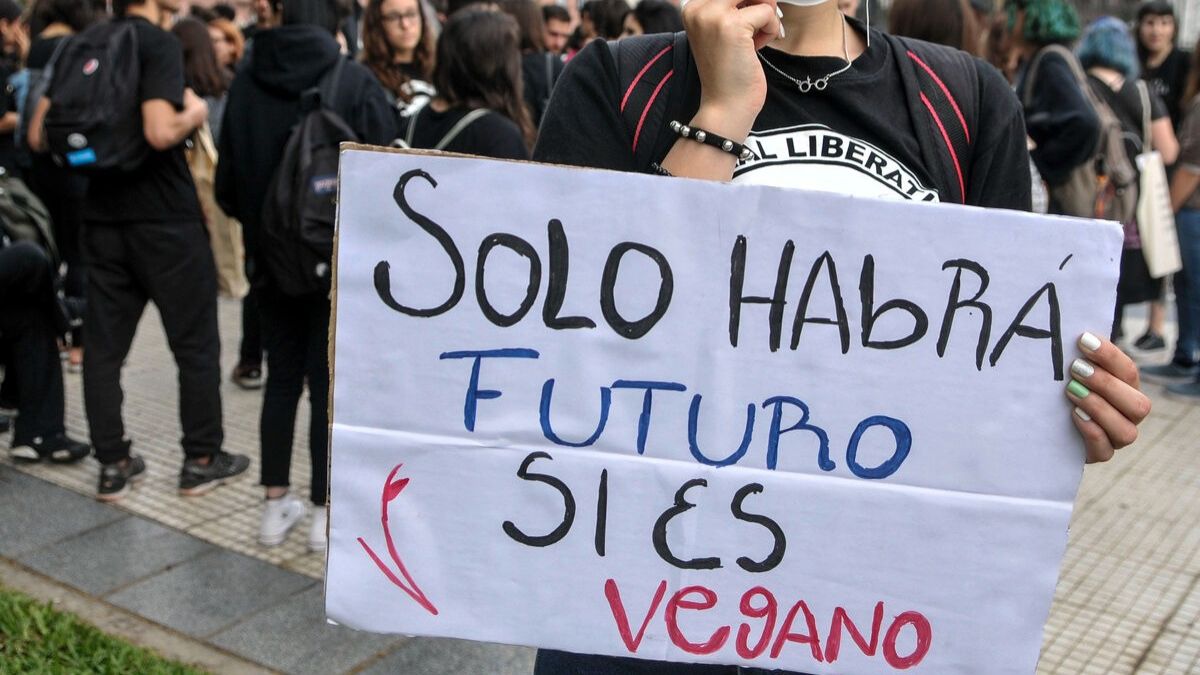
London’s Unity Diner, known as one of the country’s most innovative vegan restaurants, closed at the end of 2024, announcing the definitive end of its operations. The restaurant, which had served “3D-printed vegan steak” and a peculiar “tofish” —a fish substitute made from tofu— had been a reference point for animal rights activism and a gathering place for vegans from across the city.
Its closure reflects widespread difficulties in a sector where vegan restaurants have been shutting down one after another for years. London has seen the disappearance of venues such as Rudy’s Vegan Diner, Halo Burger, and Neat Burger. The same has happened in Glasgow, Liverpool, and Birmingham, where businesses like The Glasvegan, Veggie Republic, and Jungle Bird closed without warning, leaving even customers with reservations unattended.
The phenomenon extends beyond the United Kingdom. Last autumn, even Eleven Madison Park, the world’s only three-Michelin-star vegan restaurant, announced that it would reintroduce meat to its menu. Its chef, Daniel Humm, justified the decision as a way to be “more inclusive,” although his followers reacted with outrage.
Vegan activists themselves acknowledge an image problem. Clare Every, a specialized blogger, admits that many consumers perceive these meals as “too processed” or unable to provide enough protein. According to the Vegan Society, nearly two million Britons now identify with this lifestyle, but consumption trends are shifting toward Asian restaurants — such as Tofu Vegan or Mali Vegan Thai — where tofu and soy have been dietary staples for centuries.
Although official figures indicate growth in veganism — 25.8 million people worldwide participated in Veganuary this year — vegan hospitality in the UK is in decline. Ideological enthusiasm clashes with economic reality.