Sánchez rejects war as Spain–US tensions escalate
Spanish Prime Minister Pedro Sánchez has publicly opposed further military escalation in the Middle East, delivering a clear message to Washington as diplomatic tensions between Madrid and the United States intensify.
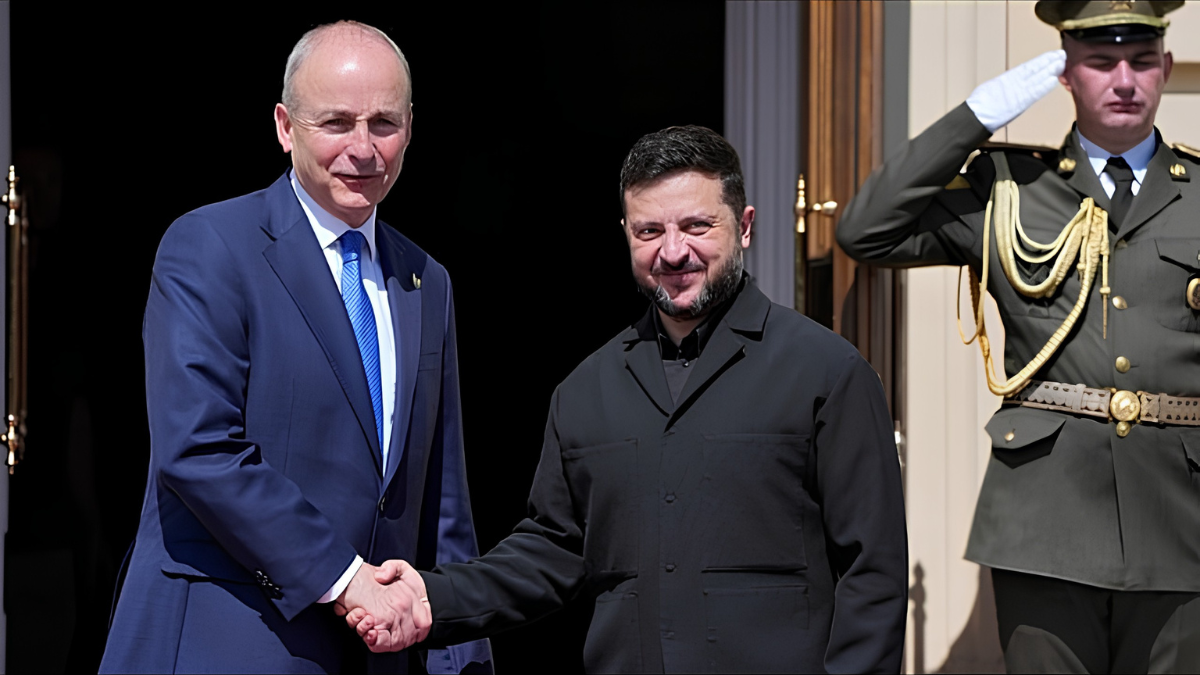
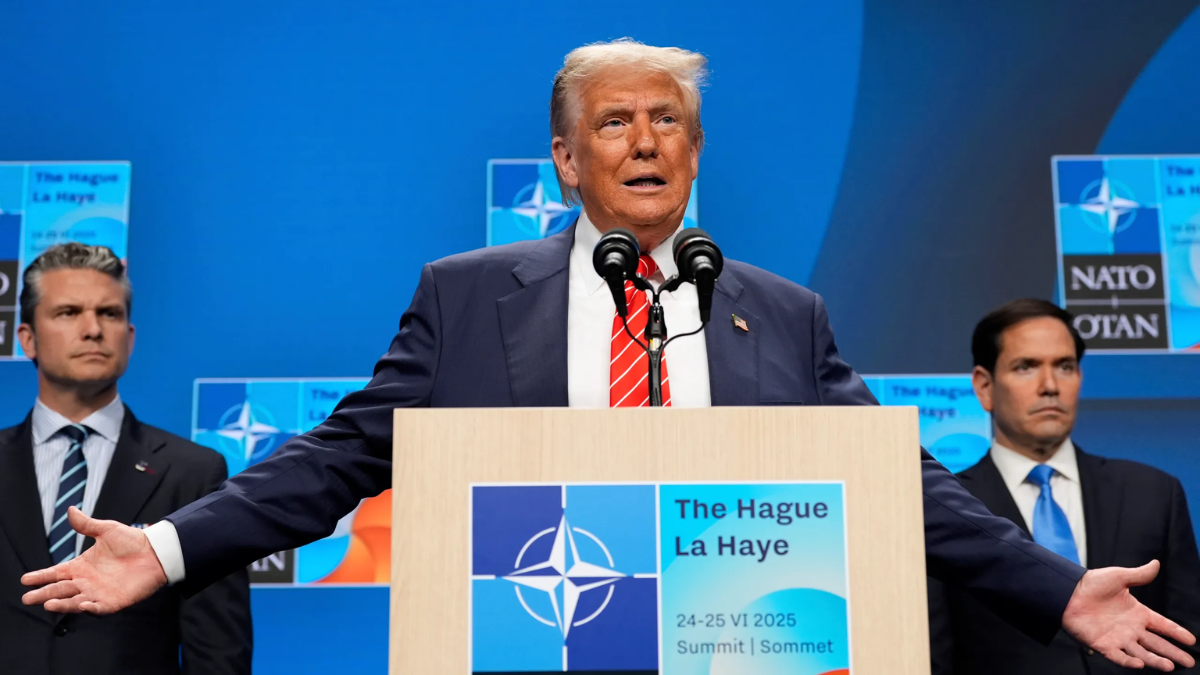
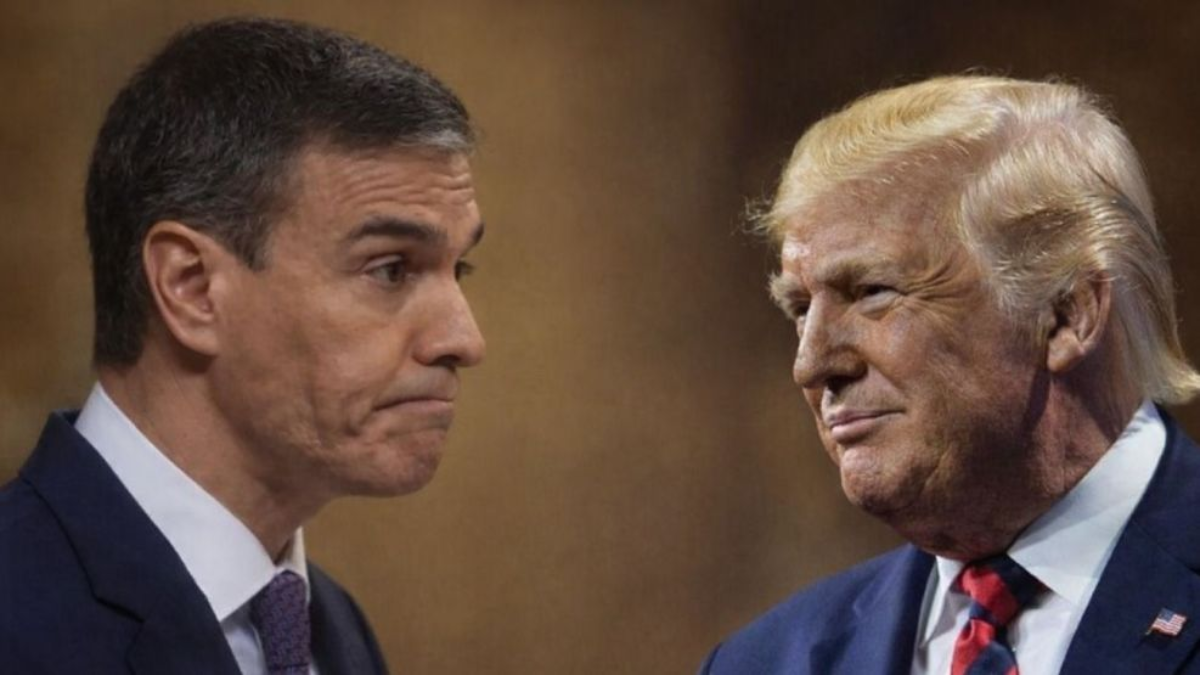
In a televised statement from the Moncloa Palace, Sánchez summarised the government’s stance in blunt terms: “No to war.” The remarks came after US President Donald Trump threatened to suspend trade relations with Spain following Madrid’s refusal to allow American forces to use Spanish military bases in operations linked to strikes against Iran.
Trump criticised Spain during a meeting with German Chancellor Friedrich Merz, accusing Madrid of failing to support US military efforts and of not increasing defence spending to the level he has demanded from NATO allies.
Spain has emerged as one of the most outspoken European critics of the US–Israeli strikes on Iran, warning that the attacks risk further destabilising the region. Within hours of the first strikes, Sánchez warned that the operation could escalate tensions and undermine international law, adding that it could contribute to a more volatile global order.
Whether Trump’s threat to halt trade with Spain will translate into concrete economic measures remains unclear. However, the dispute has highlighted growing divisions among Western allies over the conflict and the role Europe should play in responding to it.
Energy shock spreads across Europe
At the same time, the war in the Middle East is beginning to affect European energy markets. Gas prices surged sharply following production disruptions in Qatar and growing fears that the Strait of Hormuz, a key corridor for global oil and liquefied natural gas shipments, could remain closed.
The spike has raised concerns across Europe about the cost of replenishing gas reserves once the winter heating season ends. Nadia Calviño, president of the European Investment Bank, said the crisis underlined the need for Europe to strengthen its energy independence and strategic autonomy.
Benchmark European gas prices have already climbed to around €60 per megawatt hour, nearly double the levels seen just days earlier. Despite the surge, EU officials say there is no immediate risk to supply, although markets remain highly sensitive to developments in the region.
Europe reacts as tensions grow
The conflict has also triggered security responses across Europe. French President Emmanuel Macron announced that France would deploy the aircraft carrier Charles de Gaulle to the Mediterranean and work to secure critical maritime routes for global trade.
Macron warned that several key shipping corridors — including the Strait of Hormuz, the Suez Canal and parts of the Red Sea — are increasingly vulnerable as the conflict unfolds.
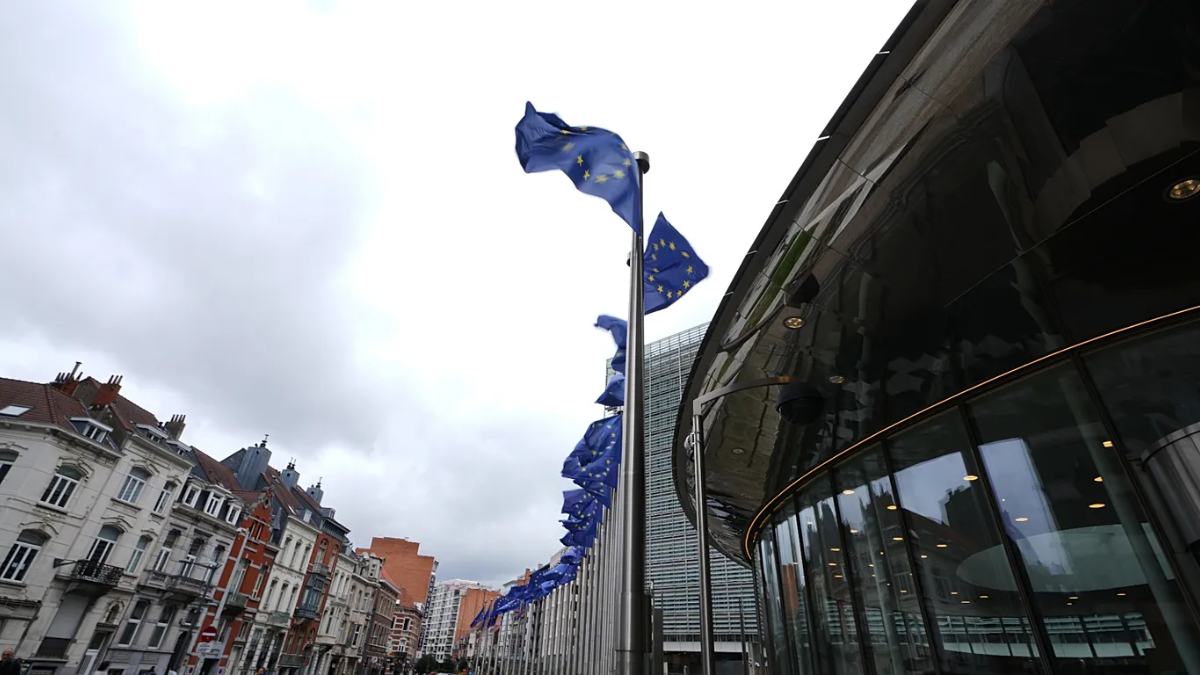
Meanwhile, attention in Brussels is also turning to the economic consequences of the crisis. The European Commission is preparing to unveil a new industrial strategy aimed at strengthening domestic production and shielding key sectors from foreign competition, particularly from China.
The plan is expected to introduce stricter requirements for European manufacturing in strategic industries such as electric vehicles, reflecting a broader push to rebuild industrial capacity within the bloc.
At the same time, the conflict has intensified debate over the role of European Commission President Ursula von der Leyen, who has taken an unusually active role in responding to the crisis by coordinating discussions with European and Gulf leaders.
Some critics argue that the Commission is increasingly stepping into areas traditionally reserved for national governments, particularly foreign and security policy.
As the war in the Middle East continues to unfold, Europe now faces a complex mix of diplomatic tensions, rising energy prices and internal political debates over how the bloc should respond to the crisis.