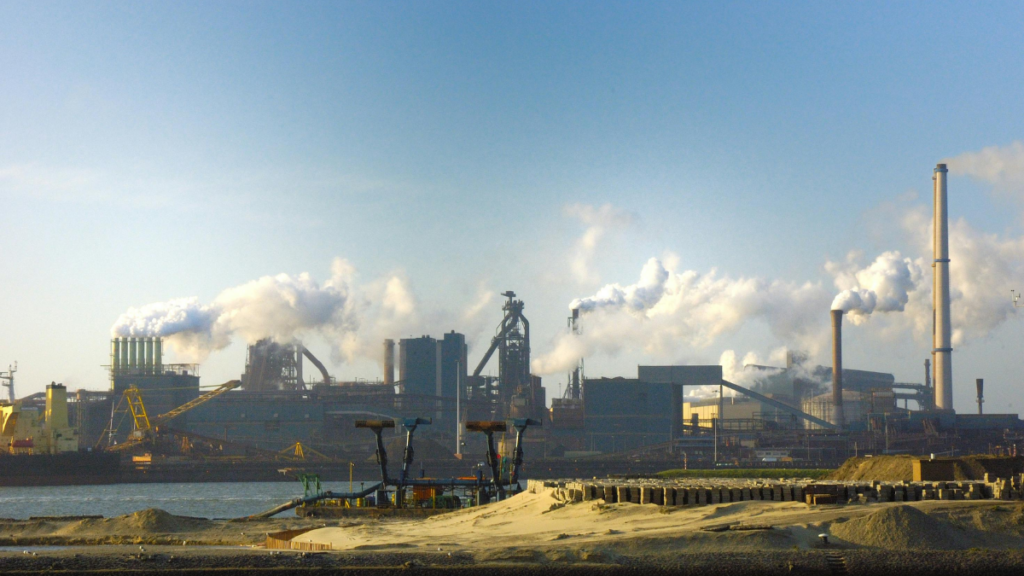
The European Commission is exploring a set of measures aimed at easing energy costs for heavy industry, as companies across the bloc grapple with persistently high electricity and gas prices.
According to an internal document discussed by EU leaders, Brussels is considering adjustments to national energy taxes, electricity network charges and carbon-related costs in an effort to provide short-term relief to sectors heavily exposed to energy price fluctuations.
The debate comes as industries such as steel, chemicals and aluminium continue to warn that high energy costs are eroding Europe’s competitiveness compared with global rivals.
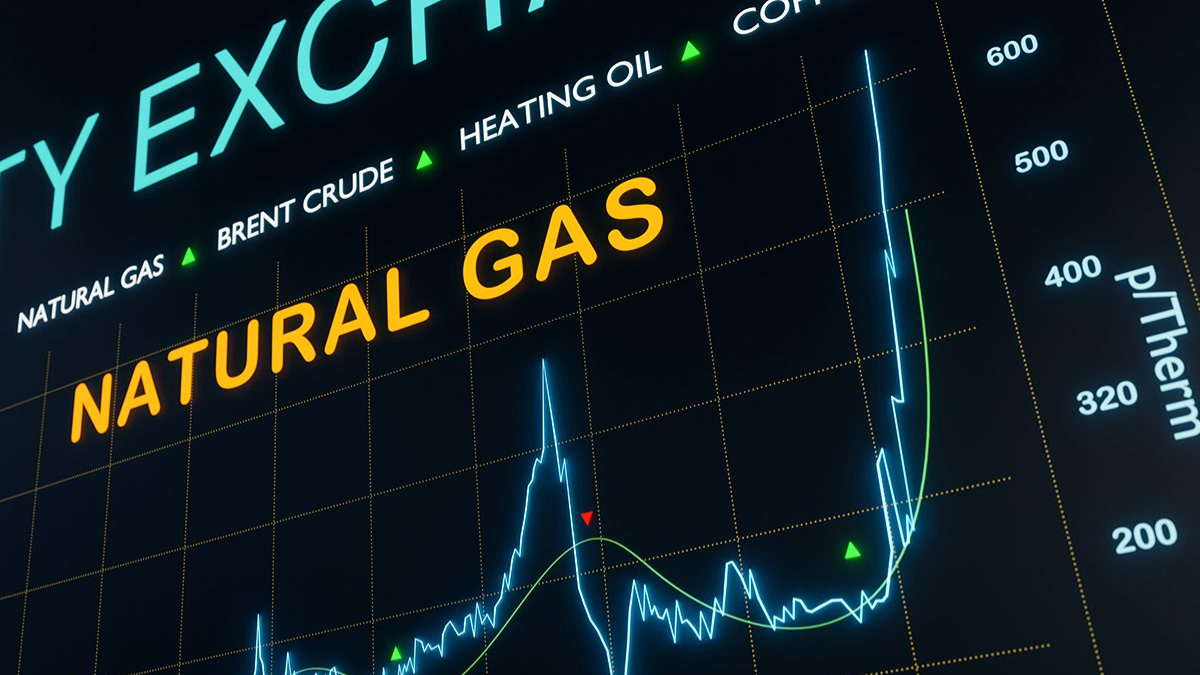
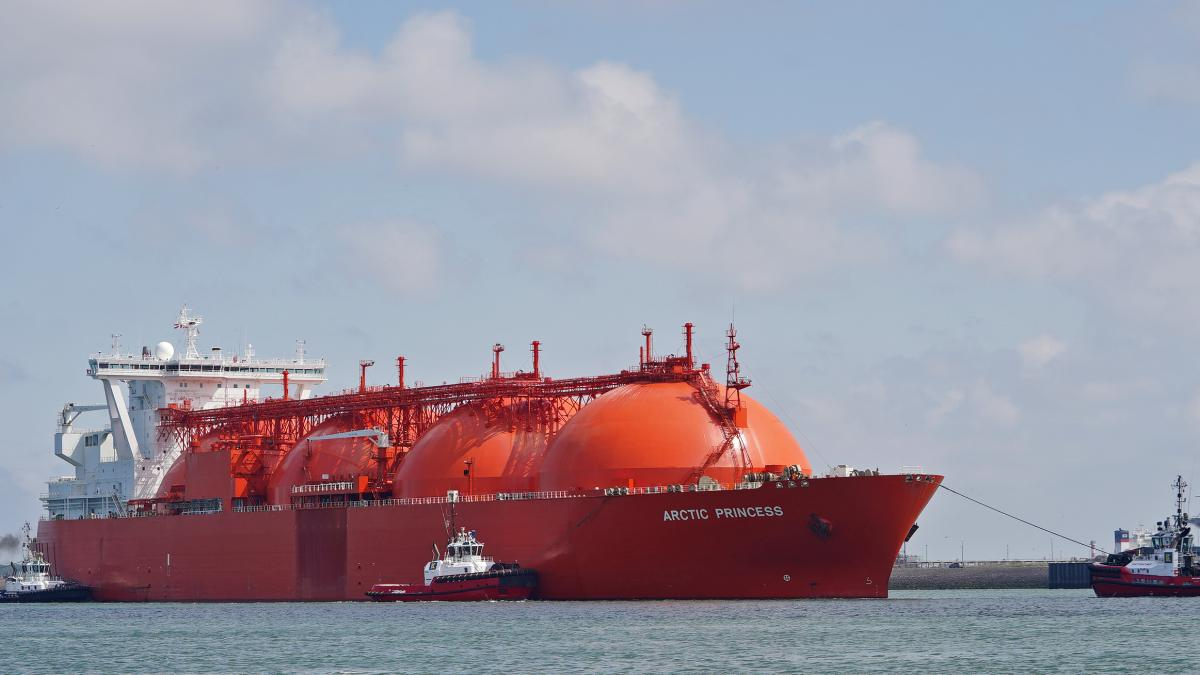
Recent geopolitical tensions have intensified the pressure. Disruptions linked to the conflict in the Middle East — including instability around the Strait of Hormuz, a key shipping route for global energy supplies — have added fresh volatility to gas and oil markets.
Data cited in the Commission paper shows that industrial electricity prices in the EU were more than double those in the United States and China during the first half of 2025. Gas prices were even higher, at times reaching four times the level recorded in the US.
EU leaders are expected to examine potential responses during the European Council meeting scheduled for 19–20 March, where the issue of energy affordability is likely to feature prominently.
Key areas under discussion
Three areas have emerged as possible targets for lowering costs in the short term.
The first involves national electricity taxes, which vary widely across the 27-member bloc and in some cases account for a significant share of industrial power bills.
Another focus is network charges, the fees used to finance the infrastructure that transports electricity. For industrial consumers, these charges represent roughly 18% of total electricity costs.
Finally, policymakers are looking at carbon costs associated with electricity generation, which add additional pressure to energy-intensive businesses.
Alongside regulatory adjustments, governments already have the option under existing EU rules to provide financial support to companies facing high electricity prices, particularly those operating in sectors with large energy demands.
Recent reforms to the EU electricity market have also introduced mechanisms intended to stabilise prices. Instruments such as Contracts for Difference (CfDs) and Power Purchase Agreements (PPAs) are designed to give companies more predictable energy costs by reducing their exposure to fluctuations in gas prices.
However, industry representatives argue that these measures have yet to deliver the relief many companies expected.
Energy-intensive sectors continue to warn that Europe’s reliance on imported fossil fuels leaves the bloc vulnerable to global disruptions. Around two-thirds of the EU’s total energy consumption still comes from fossil fuels, most of which are sourced from outside the region.
As a result, events such as tensions in the Middle East can quickly translate into higher prices for European businesses.
As EU leaders prepare for their upcoming discussions, the challenge for policymakers will be to provide immediate relief for industry while maintaining the bloc’s long-term strategy of transitioning toward cleaner and more resilient energy systems.