Major American liquefied natural gas (LNG) exporters have seen their share prices jump following renewed instability in the Middle East, as US-Israeli strikes on Iran triggered sharp volatility in global energy markets and sent European gas prices soaring.
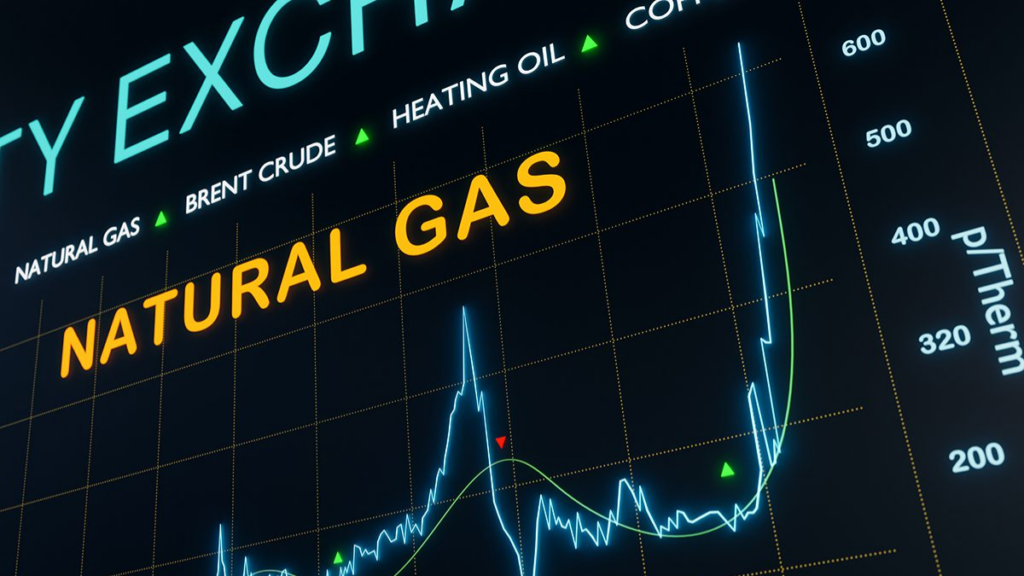
When trading opened after the weekend escalation, benchmark EU gas prices were already up roughly 20% compared to the previous week. The surge intensified after Iranian drones struck facilities in Qatar, a key global LNG supplier, prompting the temporary shutdown of part of its export infrastructure. At one point, European prices spiked by nearly 50%.
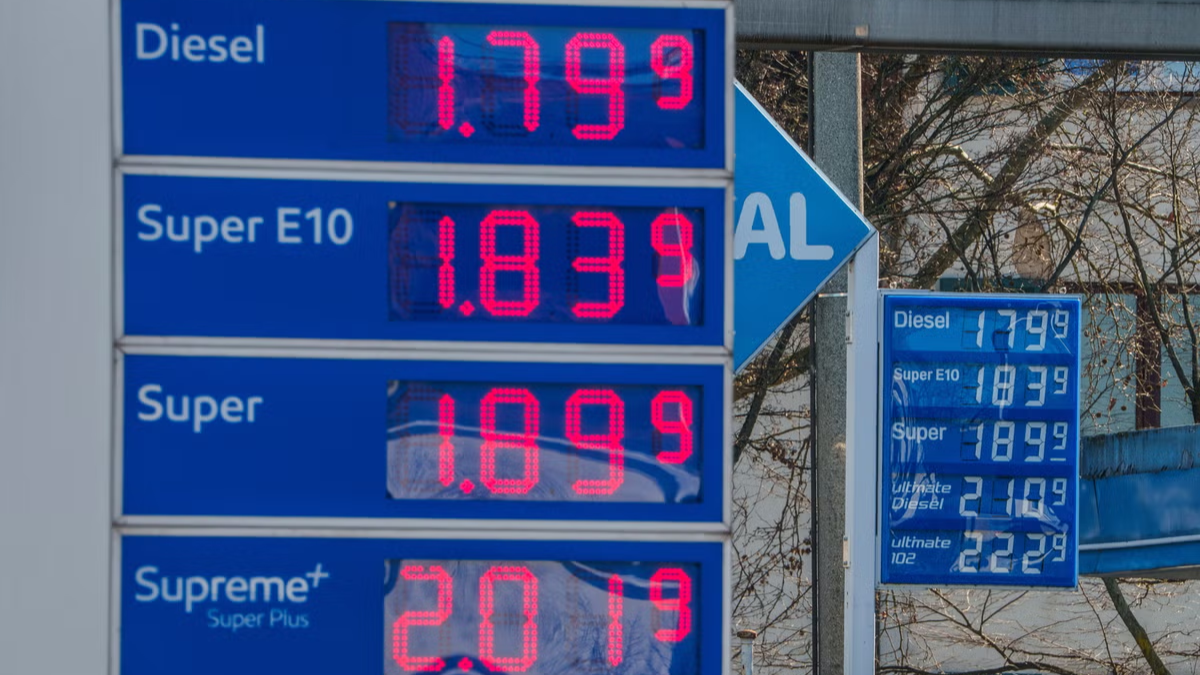
With winter demand still elevated, European officials are watching markets closely. A spokesperson for the European Commission noted that the end of the heating season is approaching, offering some relief if temperatures remain mild. For households and industries, however, renewed price pressure risks translating into higher energy bills in the months ahead.
LNG exporters gain ground
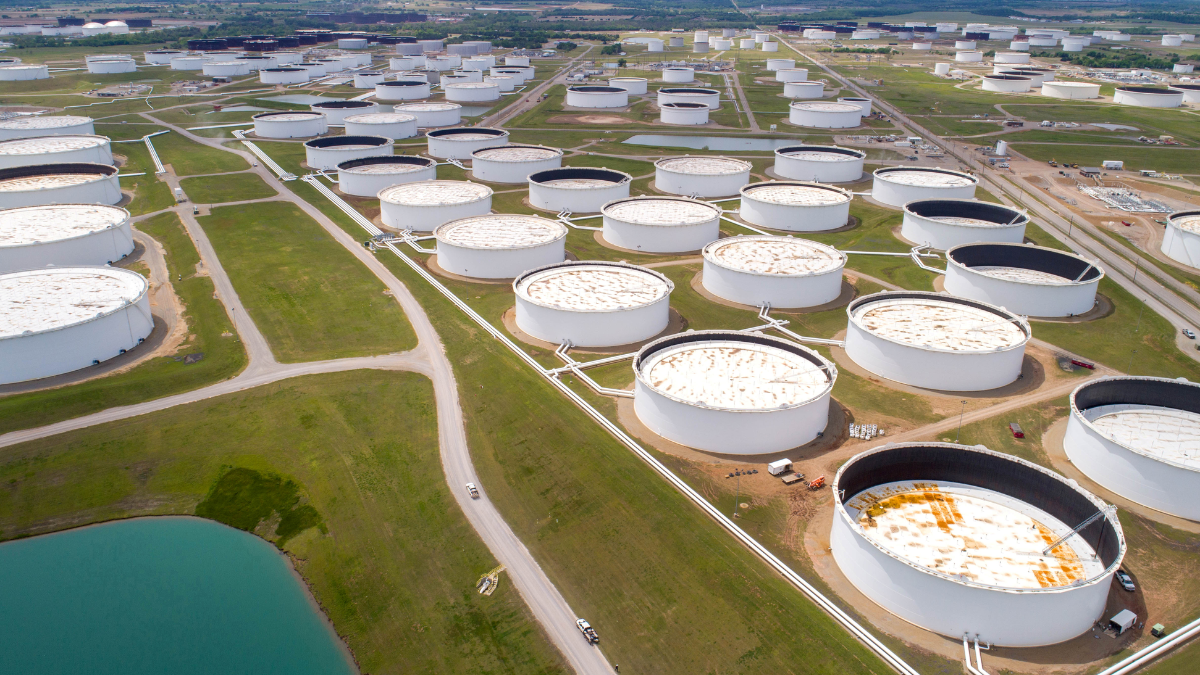
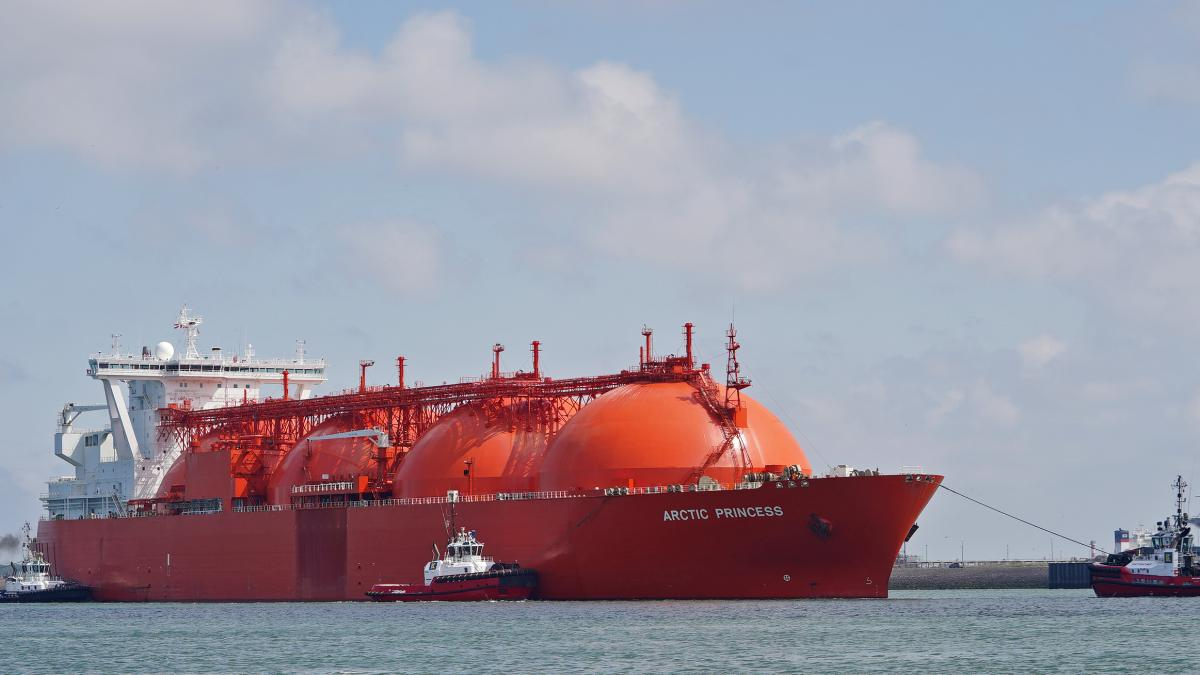
While volatility has unsettled consumers, it has buoyed US energy stocks. America’s LNG sector — a relatively recent heavyweight in global markets — is led by companies such as Cheniere Energy and Venture Global, both of which recorded notable gains in early trading following the disruption.
The US now accounts for roughly a third of Europe’s LNG imports, positioning its exporters to benefit when regional benchmark prices rise. Because many supply contracts are linked to European pricing hubs, revenue tends to increase in tandem with market spikes.
Analysts say firms with flexible, short-term cargo capacity stand to profit most in the current environment. Venture Global’s Plaquemines terminal, which is gradually ramping up operations, could allow the company to capitalise on elevated spot prices if tight supply conditions persist.
“This type of disruption typically favours exporters with available capacity,” said one market analyst, noting that price surges quickly translate into higher margins for sellers.
Risks for Europe — and beyond
Energy experts caution that the broader implications could prove challenging for Europe. Greater reliance on imported fossil fuels leaves the bloc exposed to geopolitical shocks, with consumers ultimately absorbing the impact through higher costs.
Should tensions escalate further — particularly if shipping routes through the Strait of Hormuz are disrupted — global oil and LNG markets could face more severe supply constraints. The strait is a critical chokepoint for energy flows from the Persian Gulf.
Some analysts also warn that rising oil prices may indirectly benefit Russia, whose energy revenues remain a key component of its economy.
For now, markets remain sensitive to developments in the region. As geopolitical uncertainty lingers, the divergence is stark: elevated profits for exporters, mounting costs for import-dependent economies.